Key Takeaways
- A 2024 umbrella review and meta-analysis found gardening and horticultural therapy significantly improve wellbeing and quality of life across general and vulnerable populations.
- Nature exposure reduces salivary cortisol by 21%, with gardening outperforming other recovery activities for stress reduction.
- Therapeutic gardening can be funded through NDIS Capacity Building and Community Participation categories.
- For NDIS participants living with conditions from anxiety to hoarding disorder, gardening offers a structured pathway to improved mental health, physical activity, and social connection.
There is something about soil under your fingernails that no therapist’s office can replicate. The smell of freshly turned earth, the satisfaction of watching a seedling push through the surface, the simple rhythm of watering and weeding: these are not just pleasant experiences. They are, according to a growing body of research, genuinely therapeutic.
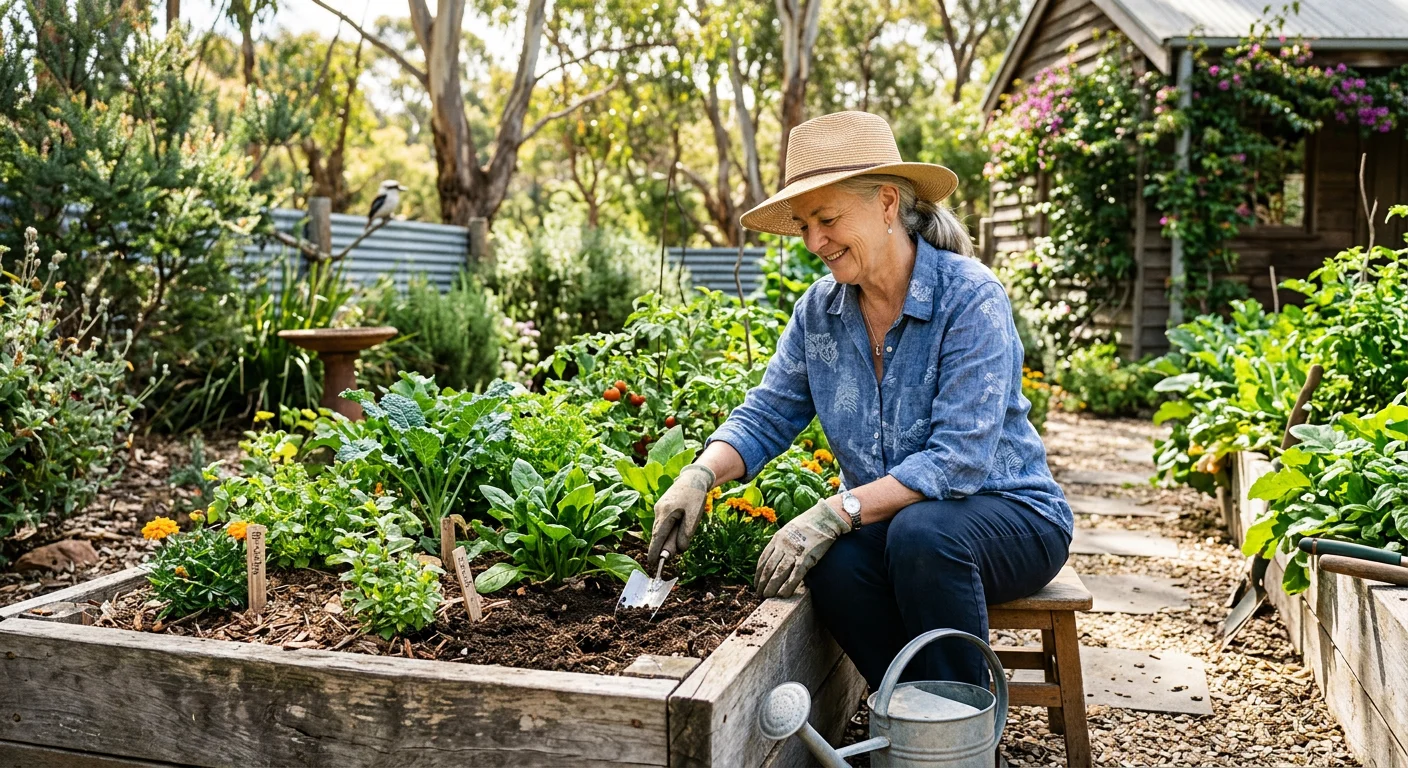
Therapeutic gardening (also known as horticultural therapy) is a structured, goal-directed practice that uses plants, gardens, and nature-based activities to improve mental, physical, and social wellbeing. It is recognised internationally as an evidence-based discipline, with Therapeutic Horticulture Australia leading its development and accreditation in this country. What sets therapeutic gardening apart from a casual weekend in the backyard is intentionality. Sessions are facilitated by trained practitioners who tailor activities to each participant’s goals, abilities, and interests. The garden becomes a tool for growth, in more ways than one.
Does Gardening Actually Reduce Stress, or Is That Just a Feeling?
It is not just a feeling. The physiological evidence is robust, measurable, and consistent across studies.
A 2024 umbrella review and meta-analysis synthesised data from 78 studies involving nearly 5,000 participants. The findings were clear: gardening and horticultural therapy activities produced a significant positive effect on wellbeing (effect size 0.55, p < 0.001). These interventions were effective for both general populations and vulnerable subgroups, including people living with mental illness, cognitive impairment, and physical disability.
A systematic review published in Frontiers in Psychiatry specifically examined horticultural therapy for depression and anxiety, finding promising results across multiple intervention types. The review noted that gardening-based activities showed particular strength in stress reduction, with 70% of studies measuring stress reporting significant alleviation. These are not marginal findings. The evidence consistently points to therapeutic gardening as a meaningful clinical intervention, not just a feel-good activity.
Takeaway: If you or someone you support is managing stress, anxiety, or depression, therapeutic gardening is not a soft alternative to clinical treatment. It is an evidence-based complement with measurable biological effects.
Can 30 Minutes in a Garden Really Lower Your Cortisol by 21%?
The headline number sounds too good to be true. The research behind it is solid.
Research on nature exposure has found that time in natural environments reduces salivary cortisol (the primary stress hormone) by 21% and salivary amylase (another stress marker) by 28%.
A landmark study comparing gardening with indoor reading as recovery activities after a stressful task found that while both activities reduced cortisol, the decrease was significantly stronger in the gardening group. Gardening also promoted a more complete recovery of positive mood. This is not about distraction. The physiological data indicate that gardening directly reduces cortisol secretion, lowers inflammation, and supports blood supply and neuroprotection in the brain. For NDIS participants managing chronic stress, anxiety, or trauma-related conditions, these effects translate into real, felt improvements in daily life.
Takeaway: Even short gardening sessions produce measurable stress reduction. If traditional therapy settings feel overwhelming, a therapeutic gardening program offers a gentler entry point with genuine clinical benefits.
Why Do People Who Garden Show Up When Nothing Else Gets Them Out the Door?
For many of my clients across Melbourne’s eastern suburbs, the most transformative benefit of therapeutic gardening is not the cortisol reduction or the exercise. It is the sense of purpose.
The 2024 meta-analysis identified improved quality of life and sense of purpose as key outcomes across gardening interventions, particularly for participants with mental health conditions and those experiencing social isolation.
When you are living with a mental health condition, a physical disability, or the aftermath of a difficult period in your life, the days can start to blur together. Therapeutic gardening introduces structure and responsibility in a gentle, forgiving way. The tomatoes need staking. The herbs need harvesting. The seedlings need transplanting. These small tasks create a rhythm that anchors the week. I have seen participants who had not left their homes regularly in months begin turning up consistently for gardening sessions. Not because anyone told them they had to, but because the plants needed them. That shift, from feeling purposeless to feeling needed, changes everything.
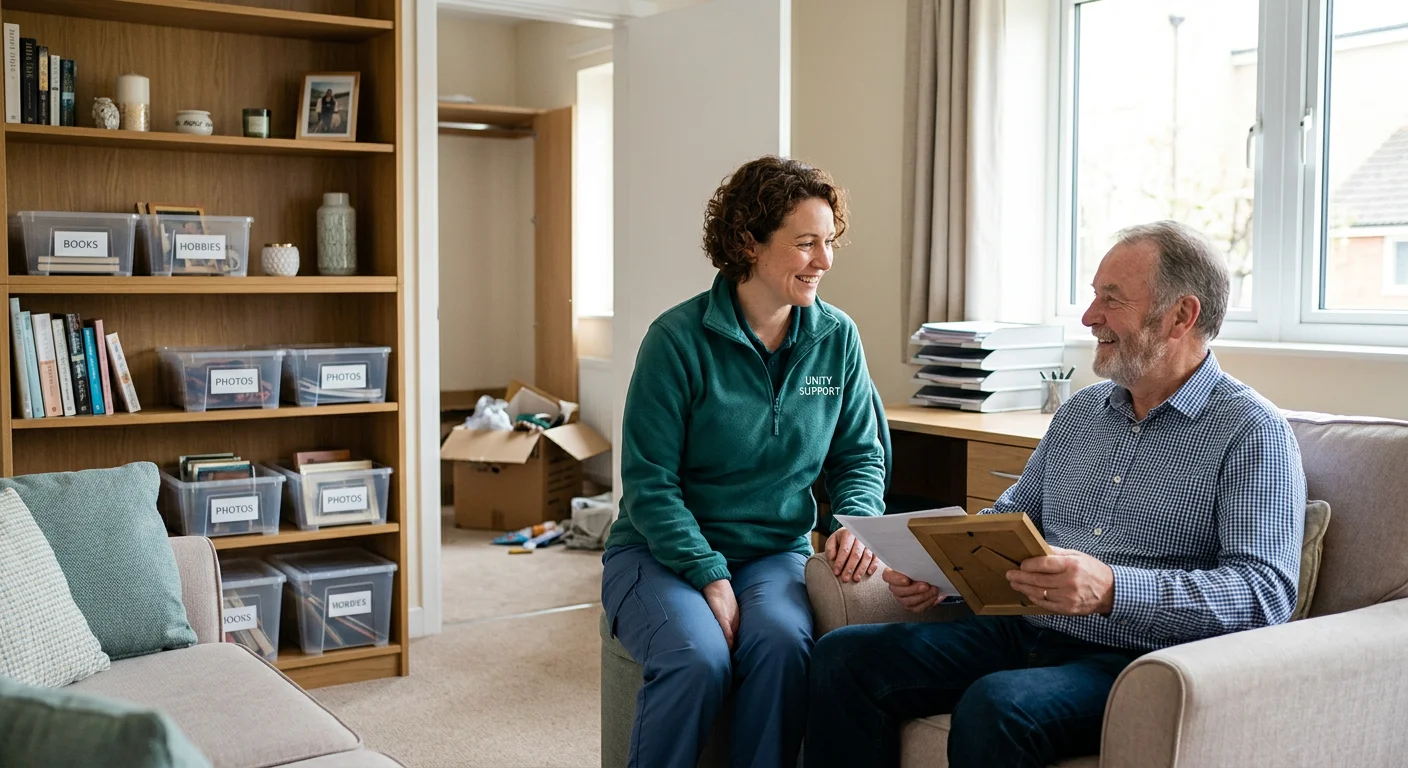
For individuals recovering from hoarding disorder, therapeutic gardening offers a particularly valuable complement to treatment. It provides a healthy, productive outlet for the attachment and caretaking impulses that can drive hoarding behaviour, redirected toward something that grows rather than accumulates.
Takeaway: If motivation and routine are the biggest barriers for someone you support, therapeutic gardening provides a reason to show up that does not feel like an obligation. Explore our program to see how it could fit into an NDIS plan.
Can Gardening Fix Loneliness Without the Pressure of Social Groups?
Social isolation is one of the most common challenges facing NDIS participants. Therapeutic gardening addresses it in a way that feels natural rather than forced.
Research on interpersonal factors in hoarding and related conditions has shown that people with mental health conditions often experience elevated loneliness combined with significantly reduced social networks, making traditional social programs feel overwhelming or inaccessible.
Working alongside others in a garden creates opportunities for conversation and connection without the pressure of face-to-face social interaction. You can share a gardening tip, admire someone’s progress, or simply work side by side in comfortable silence. Whether it stems from anxiety, physical limitations, or conditions like hoarding disorder that make inviting people home feel impossible, loneliness is both a symptom and a driver of poor mental health. Community gardens across Melbourne, from Camberwell and Balwyn through to Croydon and Belgrave, provide spaces where these connections form organically. For participants who have been isolated for extended periods, this gradual, low-pressure social exposure can be a critical first step back into community life.
Takeaway: If traditional social programs feel too intense, a garden offers a side-by-side alternative where connection happens naturally. Our therapeutic gardening program can help participants find and access community gardens in their area.
Does Gardening Count as Real Exercise?
Gardening is a gentle but surprisingly effective form of physical activity, and the benefits extend well beyond what you might expect from potting up seedlings.
Research consistently links nature exposure and gardening activity with lower blood pressure, improved immune function, better sleep quality, and enhanced vitamin D production from time spent outdoors in natural light.
Digging, planting, weeding, pruning, and watering engage the upper body, core, and lower body while improving fine motor skills, grip strength, and coordination. For NDIS participants working on mobility or physical development goals, therapeutic gardening provides a motivating context for exercise. Nobody thinks of themselves as “doing exercise” when they are potting up seedlings or harvesting vegetables. But the physical benefits are measurable and cumulative. Time spent outdoors also supports circadian rhythm regulation, which improves sleep quality.
Takeaway: For participants whose NDIS plans include physical development or daily living goals, therapeutic gardening delivers exercise benefits in a context that feels rewarding rather than clinical. Talk to our team about incorporating it into your plan.
Getting Started: Practical Guidance
Whether you are an NDIS participant, a carer, or someone simply looking to explore therapeutic gardening for your own wellbeing, here are practical steps to begin.
Start with what you have. You do not need a large garden. A few pots on a balcony, a window box of herbs, or even a single plant on a kitchen bench can be a starting point. The therapeutic benefits come from the interaction with living things, not from the size of the space.
Choose plants that reward quickly. For people new to gardening, or those who need visible progress to stay motivated, fast-growing plants are ideal. Herbs (basil, mint, parsley), salad greens (lettuce, rocket), and cherry tomatoes provide quick results and the added satisfaction of eating what you grow. Native Australian plants are well-suited to Melbourne’s climate and require less ongoing maintenance.
Make it accessible. Raised garden beds, vertical planters, and container gardens make gardening possible for people with limited mobility or those who use wheelchairs. At My Inclusion, we help participants adapt their gardening setup to their specific abilities and living situation, whether that is a backyard in Bayswater or a unit balcony in Knox.
Connect with your community. Many Melbourne councils maintain community garden spaces, and joining one provides built-in social support alongside gardening activity. Our therapeutic gardening program can help participants identify and access community gardens in their area, from Ringwood and Boronia through to Lilydale and Mount Evelyn.
Gardening requires attention to detail, problem-solving, and sequential planning, making it an excellent intervention for participants with cognitive goals in their NDIS plans. The sensory richness of a garden environment also promotes natural mindfulness: the texture of soil, the scent of herbs, the sound of birdsong. For participants living with dementia or Alzheimer’s disease, sensory-rich plants like lavender, rosemary, and lamb’s ear can provide grounding experiences that connect them with familiar memories and sensations.
Therapeutic Gardening Through the NDIS
If you are an NDIS participant, therapeutic gardening may be funded through your plan. It typically falls under Capacity Building or Community Participation categories, depending on how the goals are framed.
At My Inclusion, our therapeutic gardening program is designed to align with NDIS goals across multiple domains: improved social connection, increased community participation, enhanced daily living skills, physical development, and mental health and wellbeing.
Our support coordination service can help you understand your funding options and build therapeutic gardening into your NDIS plan in a way that maximises both clinical benefit and funding efficiency. With 65,300 Australians with psychosocial disability now active NDIS participants, nature-based interventions like therapeutic gardening are increasingly recognised as valuable complements to traditional therapies.
Therapeutic gardening is not a cure-all, and it is not a substitute for clinical treatment where that is needed. But as a complement to therapy, medication, or specialist support services, it offers something that many traditional interventions cannot: a joyful, sensory-rich, socially connected experience that happens to be backed by serious science.
For NDIS participants across Melbourne’s eastern suburbs, from Ferntree Gully to Mooroolbark, therapeutic gardening provides a pathway to improved wellbeing that feels less like treatment and more like living.
If you would like to explore therapeutic gardening as part of your NDIS plan, contact the My Inclusion team to learn more about our programs.
FAQ
Do I need gardening experience to benefit from therapeutic gardening?
No experience is necessary. Therapeutic gardening programs are designed to meet participants at their current skill level, from complete beginners to experienced gardeners. The facilitator tailors activities to each person’s abilities and goals. In fact, many participants find that being a beginner is part of the therapeutic value, as learning something new builds confidence and provides a sense of achievement that is independent of past experiences or challenges.
How is therapeutic gardening different from just gardening at home?
The key difference is structure and intentionality. Recreational gardening is self-directed and done for enjoyment. Therapeutic gardening is goal-directed, facilitated by a trained practitioner, and designed to target specific outcomes such as improved social skills, reduced anxiety, increased physical activity, or enhanced daily living skills. Activities are selected and adapted based on each participant’s NDIS goals and individual needs, with progress tracked and programs adjusted over time.
Can therapeutic gardening help with hoarding disorder recovery?
Yes. Therapeutic gardening can be a valuable complement to hoarding-specific treatment. It provides a healthy outlet for caretaking impulses, builds routine and purpose, reduces social isolation, and offers a constructive relationship with “things” (plants) that grow and change rather than accumulate. Many of our clients find that the skills they develop in the garden, such as decision-making (what to prune, what to keep) and tolerance of imperfection, translate directly to their hoarding recovery journey.
What does an NDIS-funded therapeutic gardening session look like?
A typical session runs for one to two hours and might include planting, watering, weeding, harvesting, soil preparation, or garden planning, depending on the participant’s goals and the season. Sessions may be individual or group-based. The facilitator will set up activities that target the participant’s NDIS goals (for example, fine motor skills, social interaction, or community participation) while ensuring the experience is enjoyable and achievable. Sessions take place in community gardens, the participant’s own garden, or other suitable outdoor spaces.
Is there evidence that therapeutic gardening works for people with severe mental health conditions?
Yes. The 2024 meta-analysis specifically found that horticultural therapy was effective for vulnerable subgroups, including people living with mental illness. Additional research has shown benefits for people with schizophrenia, severe depression, PTSD, and dementia. While therapeutic gardening is not a replacement for clinical treatment in severe cases, it provides a meaningful complement that addresses social isolation, physical inactivity, and loss of purpose, all of which are common in severe mental health conditions.
About the Author
Kasia J.
Founder and director of My Inclusion, a Melbourne-based NDIS support services provider. With over 15 years of experience in the disability and community services sector, Kasia specialises in support coordination, hoarding and squalor intervention, and therapeutic gardening programs across Melbourne's eastern suburbs.
Connect on LinkedIn