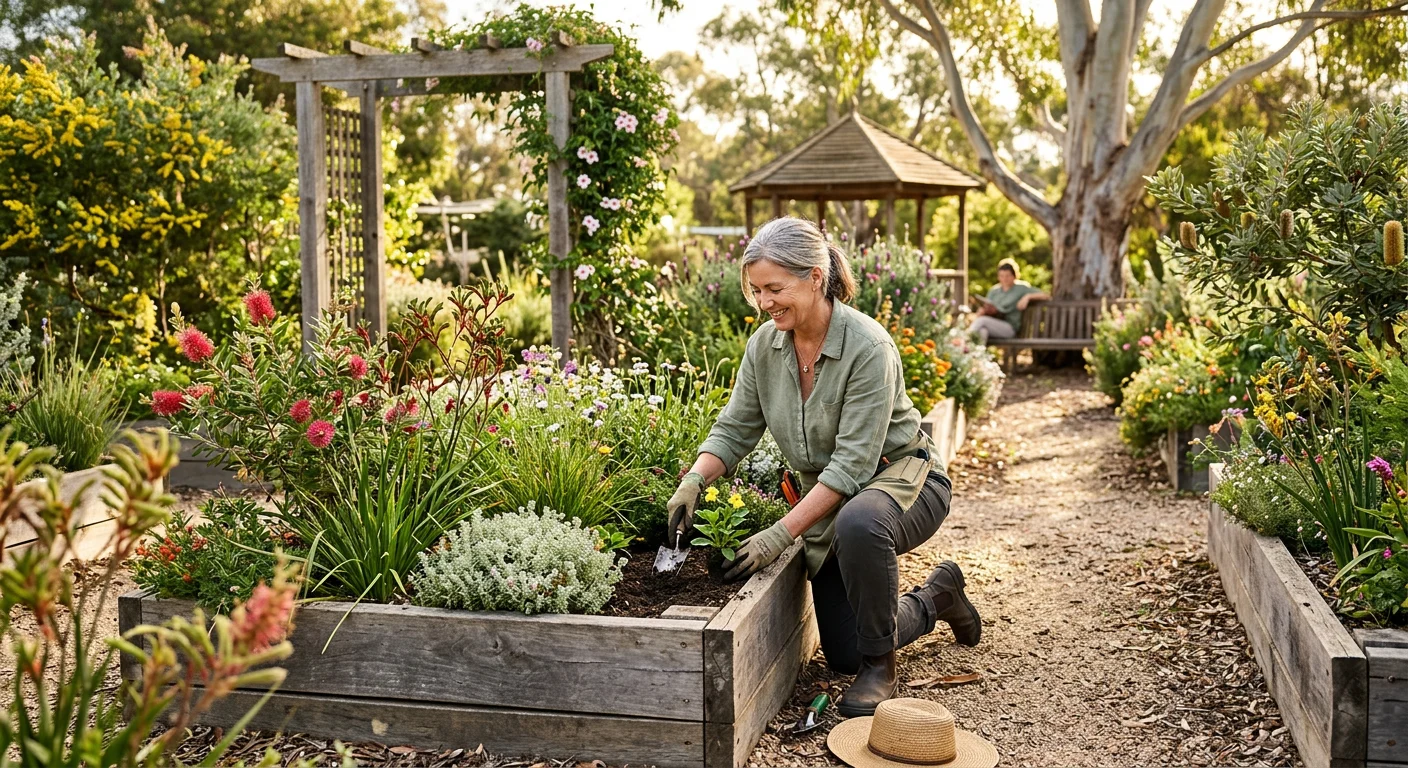
Therapeutic Gardening Programs
Gardening is not just about plants. It is about building confidence, creating routine, and finding calm through purposeful, hands-on activity. My Inclusion's therapeutic gardening programs are tailored to your abilities and designed to grow with you.
Many NDIS participants struggle to find activities that are meaningful, calming, and genuinely enjoyable. Days can feel empty when there is no structure or purpose. Social isolation deepens. Physical skills decline without regular use. And the pressure to do something productive only adds to the stress. Therapeutic gardening addresses all of these challenges in one activity. It gives your hands something to do, your mind something to focus on, and your week a rhythm to look forward to.
Key Benefits
Improved fine motor skills and hand-eye coordination
Reduced stress, anxiety, and symptoms of depression
Structured weekly routine with something to look forward to
Sensory stimulation through touch, smell, and sight
Low-impact physical activity that builds stamina gradually
Practical life skills: planning, patience, and problem-solving
Social connection through shared gardening activities
A genuine sense of achievement as plants grow and thrive
Our Process
Initial Discussion
We learn about your interests, abilities, and goals. Do you love flowers? Vegetables? Indoor plants? We start with what excites you.
Program Design
We create a personalised therapeutic gardening program that fits your NDIS plan, physical abilities, and schedule.
Setup & Materials
We help set up your gardening space (raised beds, pots, soil, tools) and source materials suited to your project.
Guided Sessions
Our support workers guide you through each session, providing hands-on assistance while encouraging independence. As your garden grows, so does your confidence.
More Than Gardening: A Pathway to Wellbeing
Therapeutic gardening (sometimes called horticultural therapy) uses the process of growing and caring for plants as a tool for physical rehabilitation, mental health support, and social connection. At My Inclusion, we design every program around the individual participant, not a generic curriculum.
Tailored to your abilities and interests. Whether you want to build a raised vegetable bed, start an indoor herb garden, learn about native plants, or simply spend time outdoors with your hands in soil, we create a plan that matches your physical abilities, cognitive level, and personal interests. Sessions are adapted in real time based on how you are feeling on any given day.
Physical benefits you can feel. Regular gardening activity improves fine motor control, grip strength, hand-eye coordination, and overall physical stamina. For participants recovering from injury or managing physical disabilities, gardening provides low-impact, purposeful exercise that does not feel like therapy.
Mental health benefits backed by evidence. Research consistently shows that time spent in green spaces reduces cortisol levels, eases symptoms of anxiety and depression, and improves overall mood. The sensory richness of gardening (touching soil, smelling herbs, seeing growth over time) grounds participants in the present moment and provides a natural form of mindfulness.
Skill development that transfers. The skills built through therapeutic gardening extend beyond the garden. Planning, problem-solving, patience, following sequences, and caring for a living thing all translate into daily life skills that support greater independence.
What Our Participants Say
Real stories from real people whose lives have been transformed through personalised NDIS support.
Need Help with Therapeutic Gardening?
Contact us for a free consultation. Our team is ready to support you.
Get Started TodayTherapeutic Gardening Questions
Related Services
NDIS Support Coordination
We help you understand your NDIS plan, connect with the right providers, and build the skills to manage your supports independently. From plan implementation to review preparation, our coordinators handle the complexity so you can focus on your goals.
Learn moreHoarding & Squalor Support
Our trauma-informed specialists work alongside you at your pace to reclaim safe, functional living spaces. We combine personalised care plans with hands-on decluttering support, skip hire coordination, and ongoing behaviour change strategies.
Learn moreReady to Get the Support You Deserve?
Contact us today for a free, no-obligation consultation. Let us help you navigate the NDIS and build the life you want.
Get Started Today