Key Takeaways
- People living in hoarded homes are 4.8 to 9 times more likely to die in a house fire than the general population.
- Melbourne fire data found hoarding fires accounted for just 0.25% of residential fires but 24% of preventable fire fatalities.
- Hoarding is a clinically recognised mental health condition, not a lifestyle choice. Nearly 75% of people with hoarding disorder also live with a mood or anxiety disorder.
- Professional, trauma-informed support addresses both the physical dangers and the emotional patterns driving the behaviour.
When most people hear the word “hoarding,” they picture a cluttered room, perhaps a few too many boxes or an overstuffed wardrobe. The reality for the estimated 715,000 working-age Australians living with hoarding disorder is far more serious.
Hoarding disorder is a recognised mental health condition with its own classification in the DSM-5. Understanding why hoarding is dangerous is not about shaming anyone. It is about recognising the genuine risks so that individuals and their loved ones can make informed decisions about seeking help.
In my 15 years of working with individuals and families affected by hoarding across Melbourne’s eastern suburbs, I have seen the full spectrum, from moderately cluttered homes to situations where emergency services could not reach the person inside. What follows is an honest account of the dangers, grounded in Australian data and research.
Are People in Hoarded Homes Really 9 Times More Likely to Die in a Fire?
The most alarming danger associated with hoarding is fire. The Australian data does not soften the picture.
A study analysing Melbourne Metropolitan Fire Brigade data over a ten-year period identified 48 hoarding-related fire incidents. While these represented only 0.25% of all residential fires, they accounted for 24% of preventable fire fatalities. People living in hoarded homes were estimated to be between 4.8 and 9 times more likely to die in a fire than the general population.
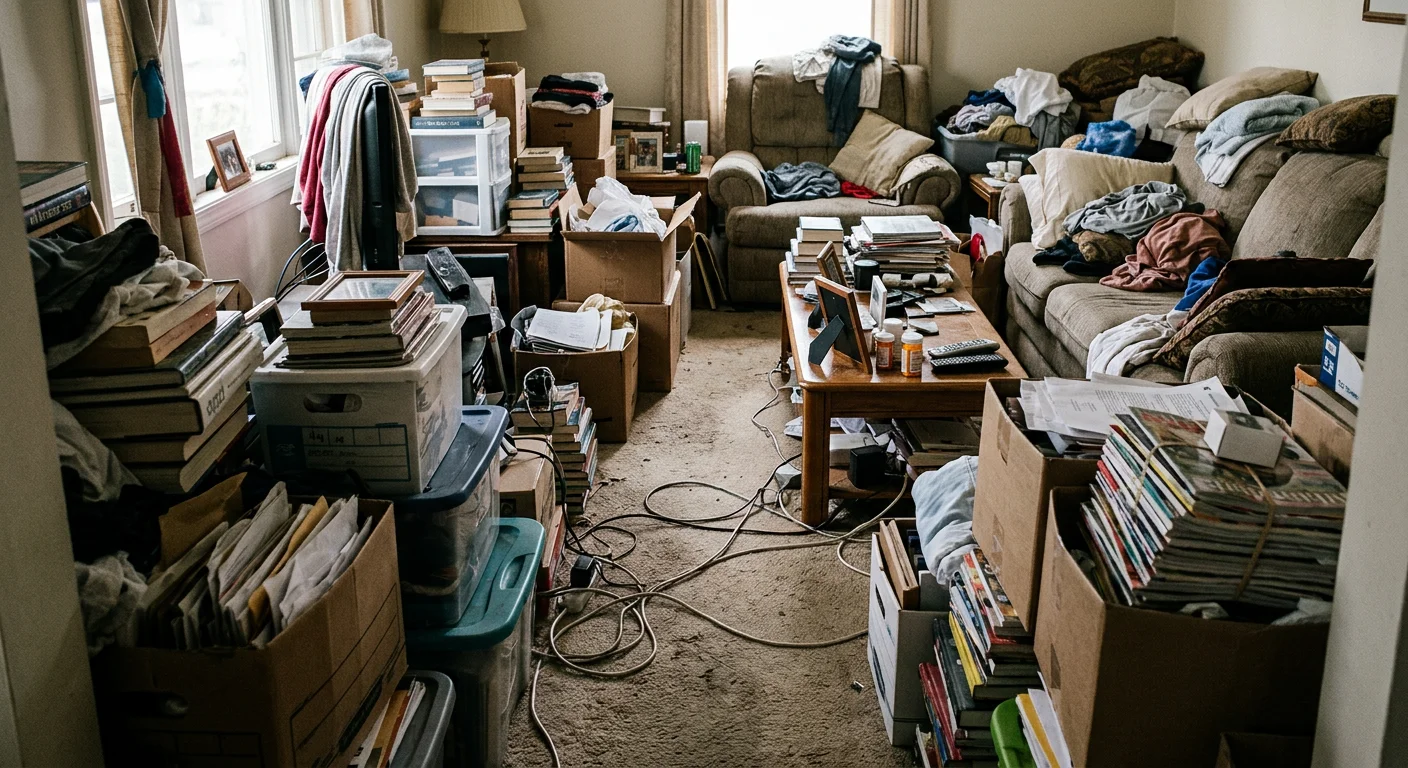
Fire Rescue Victoria identifies several reasons why hoarding fires are so dangerous: excess fuel load from stacked papers, clothing, and other flammable materials; blocked exits when doorways, hallways, and windows are obstructed by clutter; delayed detection when smoke detectors are buried under items or have had their batteries removed; and severely compromised firefighter access, delaying rescue and increasing risk to everyone involved. Broader Australian data spanning 2003 to 2017 confirmed that hoarding was a contributing factor in 19% of preventable residential fire fatalities examined. The Country Fire Authority (CFA) reinforces that hoarding fires require significantly greater emergency resources than standard residential fires, putting additional strain on services across communities from Ringwood and Croydon to Lilydale and Belgrave.
Takeaway: Fire risk alone makes hoarding a life-threatening condition. If someone you know is living in a heavily cluttered home, a professional hoarding assessment could genuinely save their life.
What Daily Health Hazards Does Hoarding Create Beyond Fire?
Fire is the most dramatic risk, but hoarding creates a range of daily health hazards that affect residents continuously and cumulatively.
Research on hoarding prevalence and health outcomes shows that older adults, who make up a disproportionate share of people with hoarding disorder (prevalence reaches approximately 6% by age 70), face compounding physical risks from their living environment.
Falls and injuries. Narrow pathways through clutter, unstable piles of items, and possessions stored on staircases create constant fall risks. I have worked with clients across Hawthorn, Kew, and Camberwell who had sustained injuries from navigating their own homes but were too embarrassed to seek medical attention. Pest infestations. Areas that cannot be accessed for cleaning become breeding grounds for rodents, cockroaches, and other pests, bringing disease transmission, allergic reactions, and respiratory problems. Mould and respiratory issues. When rooms cannot be properly ventilated or cleaned, mould develops on walls, floors, and items, with prolonged exposure linked to respiratory conditions and worsened asthma. Structural damage. Excessive weight from accumulated items can damage floors, walls, and ceilings, sometimes compromising structural integrity to the point where collapse becomes a genuine concern. Nutritional problems. When kitchens become unusable, meal preparation becomes difficult or impossible, leading to nutritional deficiencies that affect both physical and mental health.
Takeaway: The health risks of hoarding are not limited to extreme cases. Even moderate hoarding creates daily hazards that worsen over time. If daily routines in the home require navigating obstacles, it is time to seek professional support.
Does Hoarding Cause Mental Illness, or Does Mental Illness Cause Hoarding?
The relationship between hoarding and mental health runs in both directions, creating a cycle that is difficult to break without professional help.
Nearly 75% of people with hoarding disorder also meet criteria for a mood or anxiety disorder. Research on interpersonal factors in hoarding published in 2026 found that people with hoarding disorder experience elevated loneliness specific to the condition, combined with significantly reduced social networks.
As living conditions deteriorate, shame and embarrassment grow. The person stops inviting people over. They may cancel appointments that would require someone entering their home, including medical care and maintenance services. This avoidance accelerates the decline in both the home environment and the person’s social connections. Depression makes the clutter feel insurmountable. Anxiety makes discarding feel dangerous. Together, they create a feedback loop that reinforces the hoarding behaviour and makes self-directed recovery extremely difficult. The sheer volume of items can also paralyse decision-making: when every object requires an emotional negotiation (“What if I need it? What if throwing it away is wasteful?”), even small tasks become overwhelming.
Takeaway: Hoarding and mental health conditions fuel each other in a cycle that rarely resolves without intervention. Addressing the hoarding without addressing the underlying mental health (or vice versa) is unlikely to produce lasting change. Our support coordination service can connect you with both.
How Does Hoarding Affect the People Around the Person Hoarding?
Hoarding disorder does not exist in isolation. Its effects extend to partners, children, and entire neighbourhoods.
A 2026 systematic review found that family members of people with hoarding disorder experience significant distress across emotional, psychological, and social domains, including anger, grief, communication breakdown, and in some cases, the difficult decision to leave for their own safety.
Family members living with someone who hoards often find their own living conditions deteriorating. Children may lack safe play areas. Partners may feel helpless and resentful. The financial impact is also significant: property damage, professional remediation costs, pest control, and structural repairs accumulate. For renters, hoarding can lead to lease termination and difficulty securing future housing. For homeowners, property values can be affected, sometimes with flow-on effects for neighbours. In communities across Doncaster, Box Hill, Blackburn, and Balwyn, hoarding can also create neighbourhood tensions when the effects become visible externally through yard accumulation, pest migration, or fire risk to adjacent properties.
Takeaway: If you are a family member or neighbour affected by someone’s hoarding, the impact on your own life is real and valid. Contact our team for guidance on how to approach the situation with compassion while protecting your own wellbeing.
Does Shaming or Forcing a Clean-Out Actually Help?
The instinct to intervene forcefully is understandable. The evidence shows it makes things worse.
A 2025 systematic review of patient perspectives found that people with hoarding disorder consistently identify feeling respected, having agency, and maintaining control over their own recovery process as essential to improvement. Criticism, ultimatums, and forced clean-outs reinforce the shame and anxiety that drive the behaviour.
Recognising hoarding as a mental health condition, not a choice, is fundamental to responding effectively. People do not hoard because they are lazy. They hoard because their brain has developed a pattern of coping that, while ultimately harmful, feels necessary in the moment. This understanding should shape how families, communities, and services respond. Effective support meets people where they are, works at their pace, and addresses the emotional drivers alongside the physical environment.
Takeaway: Compassion is not just the kind response. It is the effective one. If someone you care about is hoarding, approaching them with respect and patience, ideally with support from a trauma-informed professional, produces far better outcomes than confrontation.
What Effective Support Looks Like
The good news is that hoarding disorder responds to professional intervention. Effective treatment typically combines:
- Cognitive-behavioural therapy (CBT) to address the thought patterns driving hoarding behaviour, including promising new approaches like imagery rescripting developed by Australian researchers at UNSW.
- Practical decluttering support that respects the individual’s pace and emotional readiness.
- Skills training in organisation, decision-making, and maintenance.
- Ongoing support to prevent re-accumulation and build sustainable habits.
- Complementary interventions like therapeutic gardening to rebuild routine, purpose, and social connection.
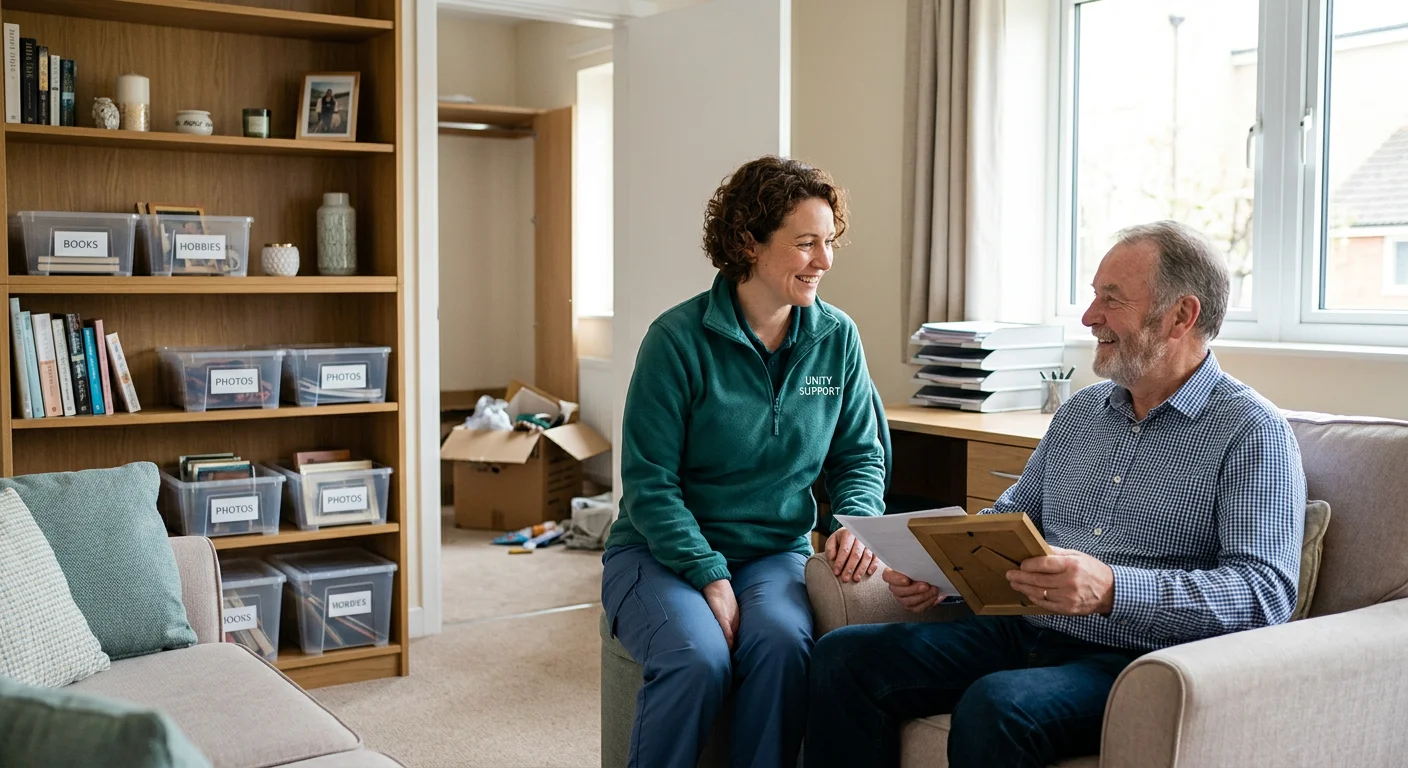
At My Inclusion, our hoarding and squalor support service takes a trauma-informed, strengths-based approach. We understand that lasting change cannot be forced. It must be supported with patience, expertise, and genuine care.
Our team works directly with individuals and families across Melbourne’s eastern suburbs, from Ferntree Gully and Knox through to Bayswater and Boronia, creating personalised care plans that address both safety concerns and the emotional factors behind the hoarding.
If you or someone you love is living with hoarding disorder, help is available. Our support coordination service can help you navigate NDIS funding and connect with the right combination of services.
Contact the My Inclusion team for a confidential conversation about your situation. No pressure, no judgement: just a genuine conversation about how we can help.
FAQ
How dangerous is hoarding compared to other household safety risks?
Hoarding is one of the most significant residential safety risks in Australia. While hoarding-related fires represent a small fraction of all residential fires, they account for a disproportionate share of fatalities. Melbourne fire data shows that hoarding fires accounted for 24% of preventable fire deaths despite representing just 0.25% of residential fires. Beyond fire, hoarding creates daily risks from falls, pest-related illness, mould exposure, and structural failure. The cumulative effect of these risks makes hoarding one of the most dangerous residential living conditions.
Can council or emergency services force someone to clean up a hoarded home?
In some cases, local councils can issue notices requiring clean-up under public health or fire safety regulations, particularly when the hoarding poses risks to neighbours or the broader community. However, forced clean-outs without therapeutic support typically result in rapid re-accumulation and worsened psychological distress. The most effective outcomes occur when regulatory action is combined with mental health support and practical assistance from services that understand hoarding disorder. If you are concerned about a neighbour’s safety, contacting your local council or reaching out to us for guidance is a good starting point.
Does hoarding affect property values in a neighbourhood?
Severe hoarding can affect property values, particularly when the effects are visible externally through yard accumulation, visible clutter through windows, pest issues, or general property deterioration. However, the more significant concern is the safety risk to the person living in the hoarded home and their immediate neighbours. If you are a neighbour concerned about a hoarding situation, approaching the situation with compassion and connecting the person with appropriate services is more effective than complaints or confrontation.
Is animal hoarding a separate condition from object hoarding?
Animal hoarding shares features with object hoarding but is generally considered a distinct presentation. People who hoard animals accumulate more animals than they can adequately care for, resulting in animal suffering, unsanitary conditions, and health risks. Animal hoarding often involves a failure to recognise the deteriorating condition of the animals and the living environment. It may require intervention from animal welfare organisations alongside mental health support. Both conditions benefit from the same trauma-informed, patient-centred approach that addresses underlying psychological factors.
What should I do if I am worried about someone's safety in a hoarded home?
If there is an immediate safety risk (blocked exits, structural concerns, or health emergencies), contact emergency services. For non-emergency situations, approach the person with care and without judgement. Express your concern for their wellbeing rather than criticising their home. Offer to help them connect with professional support rather than offering to clean up yourself. You can also contact our team for advice on how to approach the conversation. Our support coordination service can help navigate the available services and develop a plan that respects the person’s autonomy while addressing safety concerns.
About the Author
Kasia J.
Founder and director of My Inclusion, a Melbourne-based NDIS support services provider. With over 15 years of experience in the disability and community services sector, Kasia specialises in support coordination, hoarding and squalor intervention, and therapeutic gardening programs across Melbourne's eastern suburbs.
Connect on LinkedIn